

In today's social media-driven world, influencer marketing has become a buzzword, with celebrities with millions of followers or local influencers promoting products to their followers. You cannot ignore the impact of influencer marketing. But have you ever wondered how it could benefit your business or organization?
Since the rise of social media, businesses have discovered a powerful strategy: collaborating with individuals who can sway the opinions and behaviours of others. This strategy, known as influencer marketing, has become a game-changer for businesses and non-profits. It connects brands with their target audience on social media to expand their reach and boost engagement.
How Does Influencer Marketing Work?
Influencer marketing involves partnering with individuals with significant online following, ranging from high-profile celebrities to smaller, niche content creators. Regardless of the influencer's size, what matters most is their authenticity, engagement with their audience, and ability to connect with them. For non-profits, this can mean collaborating with content creators who share their passion for social causes and advocacy work. Sometimes, influencers reach out to brands they admire, offering their unique perspective on how they can help promote their message. Brands can track the success of influencer campaigns and reward influencers for their efforts.
What Do Influencers Do?
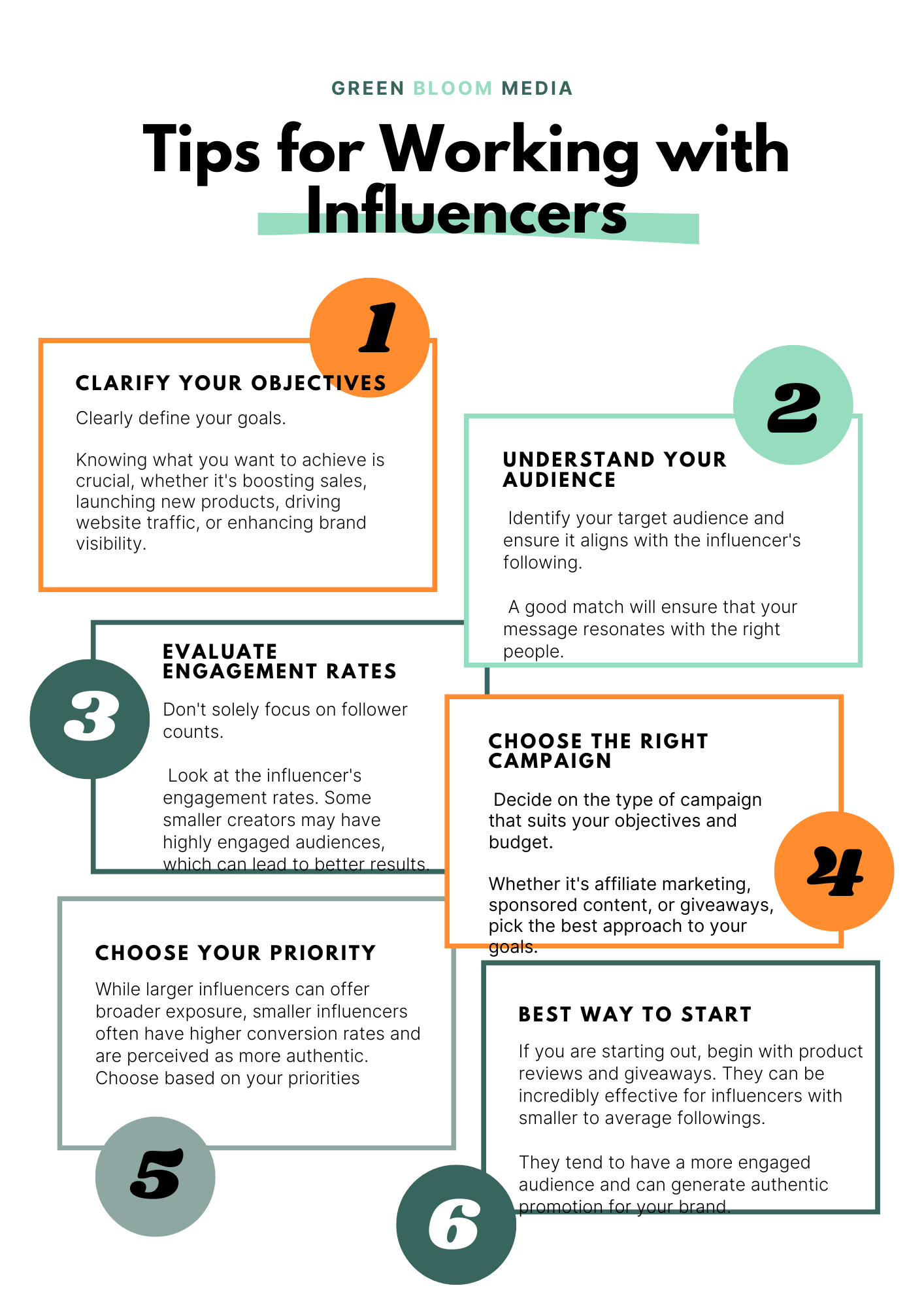
There are various types of influencer collaborations, including affiliate marketing, product giveaways, and sponsored content. Affiliate marketing involves influencers sharing unique links to promote products, earning a commission for each purchase made through these links. Product reviews and giveaways are ideal for brands with smaller budgets, as influencers receive free products in exchange for promoting the brand.
Sponsored content involves paid partnerships where the brand retains control over the content style, posting schedule, platforms used, and more. This type of collaboration can be costly, particularly if the influencer has a large following. Influencers use many strategies for connecting with their audience and driving engagement, including sharing product reviews, unboxings, tutorials, and advocacy activities. They also utilize various formats, including photos, videos, podcasts, blog posts, and social media captions.
Influencer Marketing Ethics
As influencer marketing continues to evolve, transparency and ethics are increasingly important. Influencers must now disclose sponsored content to ensure transparency with their audience. Regulations from organizations like the Federal Trade Commission (FTC) mandate clear disclosure guidelines, promoting honesty and integrity in influencer marketing practices. By adhering to these regulations and fostering genuine partnerships, brands and non-profits can build trust with influencers and their audiences.
Why Invest in Influencer Marketing?
Influencer marketing offers numerous benefits for businesses and non-profits. For small businesses and organizations with limited budgets, influencer marketing can provide a cost-effective way to reach new audiences, increase brand exposure, and drive sales. By leveraging the credibility and reach of influencers, brands can create targeted campaigns that resonate with their target audience and drive meaningful engagement.
Ready to get started with influencer marketing?
Contact us to get started.
If you enjoyed this post or have any insights to share, we'd love to hear from you! Drop us a comment below and join the conversation. Your input is valuable to us.

