


Harley-Davidson
Building Strong Connections
Your business brand identity serves as the heart and soul of your enterprise, helping you to stand out in your industry. In the dynamic world of entrepreneurship, where products are abundant and purchases are made daily, building lasting connections with your audience is a must. Entrepreneurs, small business owners, non-profit founders, and brand managers can strategically embrace a brand community approach to foster customer loyalty and amplify brand values.
What is a Brand Community?
A brand community, whether virtual or physical, serves as a space where members share everyday experiences, activities, and cultural values associated with a particular brand. Brand communities go beyond the transactional relationship between a business and its customers, focusing on building trust and meaningful engagement. The combination of online and offline elements creates a holistic brand community experience fostering the continuum of the brand-consumer relationship.
Importance of a Brand Community
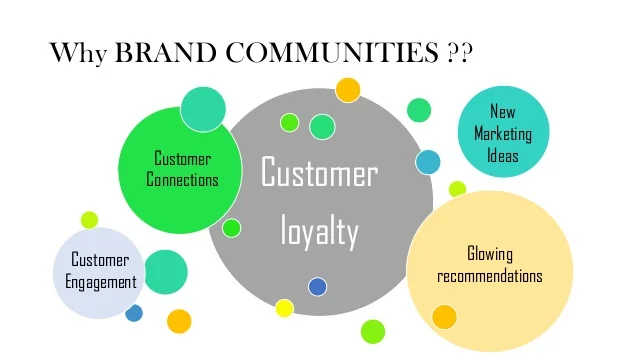
A brand community environment serves as a bridge, connecting your brand with its audience in a way that goes beyond the mere exchange of products or services. Consumers want to feel like they are a part of the brand. A brand community cultivates a sense of belonging, creating and fortifying relationships between a brand and its members. It establishes a social engagement platform that will potentially benefit every department of an organization.
Online Brand Community Definition
An online brand community is a space where passionate brand members gather to connect positively around products, service values, campaigns, etc. An online brand community can be facilitated through platforms like social media groups, forums, or dedicated websites. An online brand community can be created strategically by the brand or through passionate members. Facebook and WhatsApp groups are the most popular right now.
Offline Brand Community
A brand community can also exist in offline spaces, such as physical events, meetups, or gatherings where members of the community come together face-to-face. Offline brand communities can take the form of events, workshops, conferences, or even local meetups organized by the brand or its enthusiasts. These in-person interactions can deepen the sense of community and foster stronger connections among members.
How to Create a Brand Community
Creating a successful brand community involves thoughtful planning, engagement, and a genuine commitment to fostering connections. To create a brand community, a business or organization must be aware of the impact they create on their customers or supporters.
Define specific goals that align with your business objectives, such as increasing brand loyalty, gathering customer feedback, or driving product advocacy.
Identify common values and experiences that can form the foundation of your community.
Select a platform online or offline platform that aligns with your audience and goals. Online could be could social media group, a dedicated forum on your website, or other community-building platforms. Offline group could be events or meetups, that complements your online strategy.
Develop content such as articles, videos, polls, or user-generated content and encourage members to contribute and share their experiences within the community.
Encourage active participation by asking questions, seeking feedback, and acknowledging contributions. Foster an inclusive environment where members feel valued and heard.
Ensure that the community provides tangible benefits to members, such as solving problems or offering valuable insights. Offer exclusive content, early access to products, or special promotions to incentivize community participation.
Develop communication tools, such as messaging systems or forums, to facilitate interaction. Designate community managers or moderators to guide discussions and ensure a positive atmosphere.
Maintain transparency about your brand's values, mission, and objectives. Authenticity builds trust, so be genuine in your interactions and responses.
Highlight member contributions to showcase the diversity and vibrancy of the community. Promote the creation and sharing of user-generated content within the community.
Regularly monitor community discussions and feedback. Be flexible and willing to adapt the community strategy based on the evolving needs and preferences of your members.
Define key performance indicators (KPIs) such as engagement rates, member growth, or conversion metrics.
If feasible, consider organizing offline events, meetups, or gatherings to strengthen the sense of community beyond the digital space.
Examples of Brand Communities
Harley- Davidson
Harley-Davidson effectively blends online and offline strategies with its Harley Owners Group (H.O.G.) community. Utilizing their website, social media, and iconic events like the Sturgis Motorcycle Rally, Harley-Davidson connects enthusiasts globally. With a focus on group riding and local chapter events, they create a powerful brand community both online and offline.Sears Canada
Canada’s former largest broad-line retailer, Sears Canada, set the example of a great online brand community. Sears's brand community’s goal is to provide excellent support to its members. This brand exhibits this drive by creating an exclusive online platform for customers to exchange questions, discuss issues and concerns and suggest new ideas that are consistent with the brand's activities. Community managers provide support by answering questions, weighing in on debates and using that information to provide a “Do-it-Yourself” project that is based on customer’s problems. For instance, you will find in the “Do it yourself” section, “How to troubleshoot a dryer that won’t work” or “How to check your tire pressure.” The importance of this practice is for the brand to create and provide better products and services to its members. It is also a way for the brand to build trust and transparency.Sony PlayStation
Sony PlayStation Community has highly engaged members due to the many incentives and opportunities that members can participate in. PlayStation community is a platform for gamers to connect by meeting new friends and expanding their friend's list. And also to share content. Its content is highly user-generated. This community has over 1,674 replies and over 112,952 views per day. Members get to participate in events and competitions, get help and support and even have the opportunity to become a PlayStation beta tester. Beta testers are members who volunteer to help test products before everyone else. Brand Community Strategy
Differentiate your brand community by emphasizing what makes it unique. Whether it's a specific theme, shared values, or exclusive content, uniqueness captures attention
Offer solutions to common challenges or pain points faced by your audience. Providing valuable content and resources enhances the utility of your brand community.
Encourage active participation and interaction between members. Foster a community where members feel comfortable sharing opinions, experiences, and feedback.
Introduce fun elements to make participation enjoyable. Incorporate challenges, quizzes, or contests that align with your brand and keep the community dynamic. Organize themed events or campaigns that add an element of excitement and entertainment to the community experience
Create a multi-faceted community- Create a multi-faceted community experience that aligns with the brand's goals and the preferences of its members. The combination of online and offline tactics such as articles, videos, polls, and user-generated or local meetups or brand-sponsored events, create a more well-rounded experience.
Ensure that every community initiative aligns with the overarching goals and values of your brand. Consistency reinforces the brand's message.
Regularly gather feedback and insights from your community members to understand their preferences. Tailor community activities based on this understanding.
Maintain consistency in messaging across all community touchpoints, reinforcing the brand's identity and values.
Strengthening the Relationship
Consumers today are not just buying products; they are investing in brands that provide value and a sense of belonging. A brand community plays a pivotal role in creating and fortifying this relationship. By fostering a social engagement platform, a brand community benefits every department within an organization. It builds trust, transparency, and loyalty among customers, driving the success of the brand. For entrepreneurs, small business owners, non-profit founders, and brand managers, leveraging the power of a brand community can be a transformative strategy for your brand to thrive.
September 15, 2018

A clear breakdown of how personal branding works. Learn its role in positioning, visibility, and credibility for career and business growth.
Most brands fail to grow because leaders underestimate what it really takes. Learn the key steps to make your brand visible, trusted, and lasting.
Sometimes the question grows so loud it drowns everything else out: “What am I really meant to do?” “What is my life’s purpose?”
“How can I live a happy life doing what I love?” If you’ve ever asked those questions, you’re not alone.
If you're ready to stop blending in and start standing out, this is for you. Whether you’re applying for a job, building a brand, or leading a business, the goal is the same: create a presence so compelling you become unforgettable.